EN

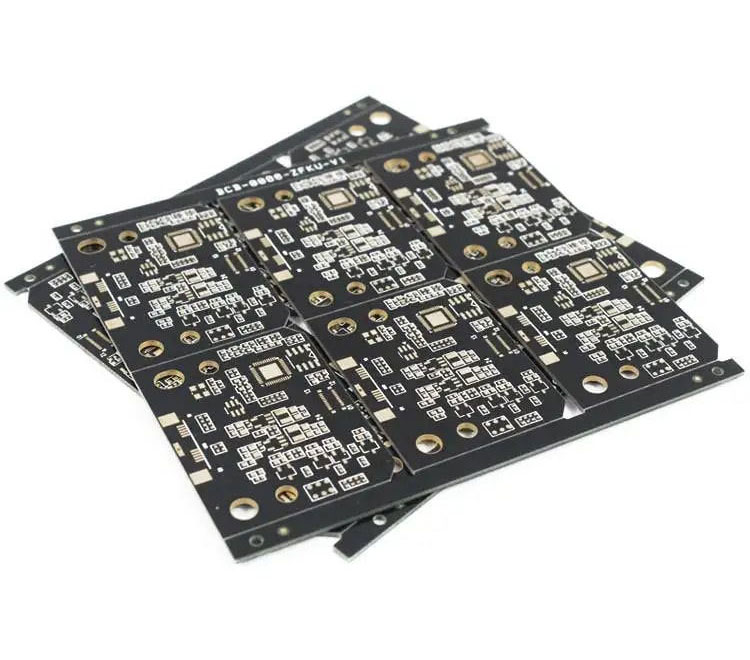
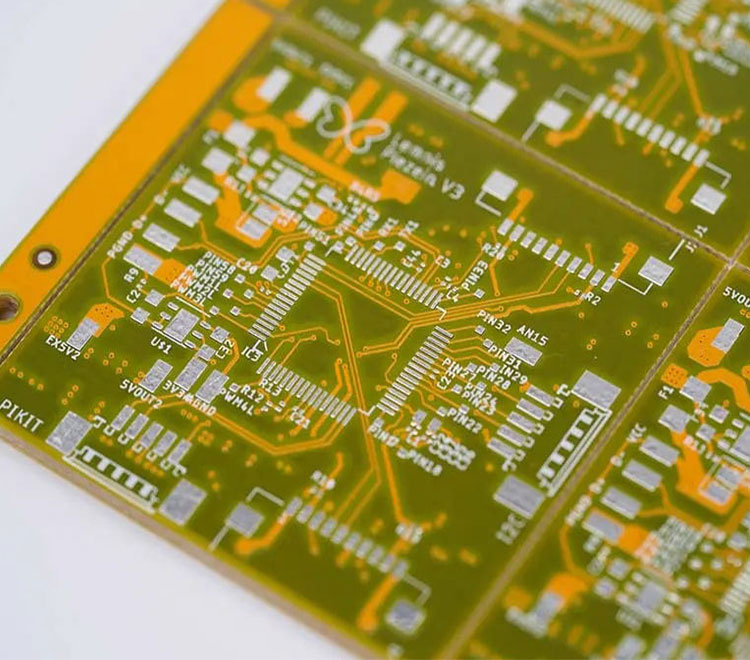
FR4, also known as Flame Retardant 4, is a widely used substrate material in the manufacturing of printed circuit boards (PCBs). It is a composite material composed of woven fiberglass cloth with an epoxy resin binder. FR4 is renowned for its exceptional electrical, thermal, and mechanical properties, making it an ideal choice for various electronic applications.
FR4 material boasts remarkable electrical insulation properties, allowing it to effectively isolate conductive traces on PCBs, thus preventing short circuits. Additionally, it exhibits excellent thermal conductivity, which aids in dissipating heat generated by electronic components. Moreover, FR4 offers impressive mechanical strength, ensuring the structural integrity of PCBs even under harsh operating conditions.
Excellent Electrical Insulation: FR4 material provides superb electrical insulation properties, ensuring that conductive traces on the PCB remain isolated from each other, thus minimizing the risk of short circuits.
Effective Thermal Management: FR4 has impressive thermal conductivity, aiding in the efficient dissipation of heat generated by electronic components during operation. This helps in maintaining optimal operating temperatures and prolonging the lifespan of the PCB.
High Mechanical Strength: With its robust mechanical properties, FR4 ensures the structural integrity of the PCB, even under challenging conditions such as vibration or mechanical stress. This enhances the reliability and durability of electronic devices.
Cost-Effectiveness: FR4 is a cost-effective substrate material compared to alternatives like ceramic or metal core PCBs. Its affordability makes it a preferred choice for manufacturers looking to optimize production costs without compromising quality.
Versatility in Design: FR4 material is highly versatile and can accommodate various PCB designs and configurations. Whether it's a simple single-layer board or a complex multi-layer design, FR4 offers the flexibility needed to meet diverse application requirements.
FR4 material finds extensive use across diverse industries, including consumer electronics, automotive, and aerospace. In consumer electronics, FR4 PCBs are ubiquitous in devices such as smartphones, tablets, and computers. In the automotive industry, FR4 PCBs are employed in vehicle control systems, entertainment systems, and engine management units. Similarly, the aerospace sector utilizes FR4 PCB assembly in avionics, communication systems, and navigation equipment.
In conclusion, the utilization of FR4 material in PCB assembly offers numerous benefits, including cost-effectiveness, versatility, and environmental friendliness. Its exceptional electrical, thermal, and mechanical properties make it indispensable across a wide range of industries, from consumer electronics to aerospace. While challenges exist, ongoing innovations in material science and manufacturing processes continue to expand the capabilities of FR4, ensuring its continued relevance in the dynamic field of electronics manufacturing.